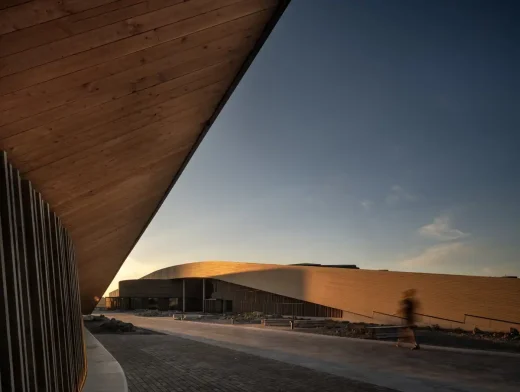
Theodore Roosevelt Presidential Library in North Dakota
Updated July 7 2026 + Sep 19, 2020
Architects: Snøhetta
Location: North Dakota Badlands, USA
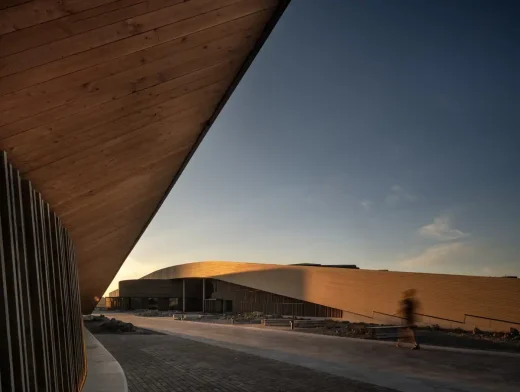
Photos: Sarah Berman
The 250th anniversary of the United States, the Theodore Roosevelt Presidential Library (TRPL) is designed by Snøhetta as the most regenerative cultural building in the Americas and one of the most ambitious projects pursuing the full Living Building certification, the world’s most rigorous environmental standard.
Located in Medora, North Dakota on a 93-acre site adjacent to Theodore Roosevelt National Park, the 95,000-square-foot Library is expected to welcome more than 200,000 visitors annually. Serving as Design Architect, Landscape Architect, and Interior Designer, Snøhetta developed a fully integrated approach that unifies architecture, landscape, and narrative into a single continuous experience.
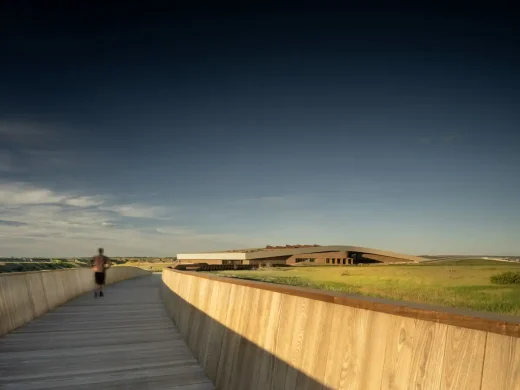
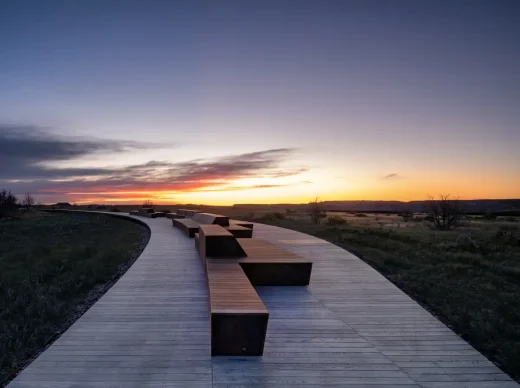
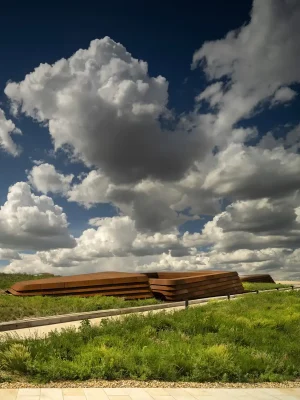
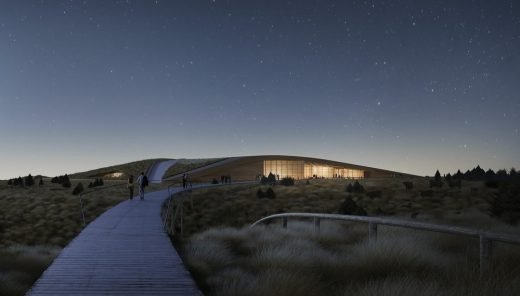
Guided by the principle “The Library is the Landscape,” the architecture rises from a butte, its accessible earthen roof spanning 121,000 square feet of living prairie. A nearly mile-long elevated boardwalk threads through the restored landscape at shifting elevations, alternating between panoramic overlooks and ground-level immersion, with outdoor classrooms, reflective spaces, and a suspended netted overlook above the terrain. The accessible boardwalk remains horizontal, at times rising above or dropping below the undulating terrain, drawing attention to the earth. TRPL is the first presidential library accessible by hiking trail, mountain bike, horseback, and car.
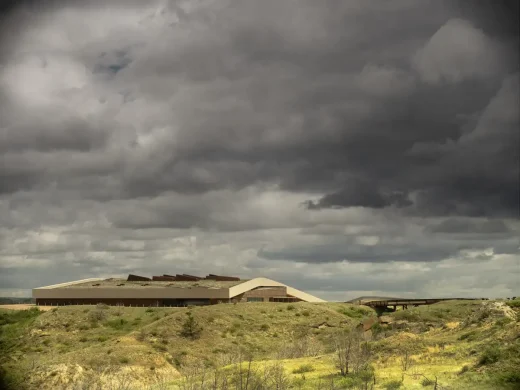
“Theodore Roosevelt understood that conservation is not simply about protecting land, it is about defining our relationship to the world and our responsibility to future generations. His conservation ethic emerged from a profound encounter with the American landscape, and we wanted visitors to experience that same sense of discovery. Rather than placing a building within the landscape, we sought to make the landscape itself the primary act of architecture,” said Craig Dykers, Founding Partner of Snøhetta. “Every path, every view, and every material decision is designed to deepen the connection between people and place, transforming a visit into an encounter with the earth. In doing so, the Library becomes more than a repository of history, it becomes an invitation to engage with the values of stewardship, civic responsibility, and wonder that continue to define Roosevelt’s legacy.”
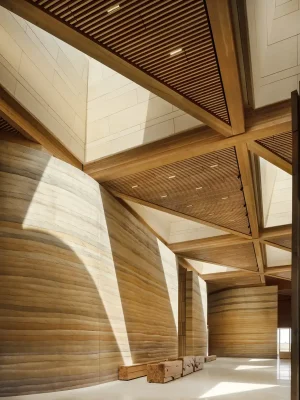
Inside the Library, carefully choreographed passageways move visitors between light and dark, echoing Roosevelt’s own journey. Large windows frame historically significant landscapes including views toward Roosevelt’s historic Elkhorn Ranch and his legacy of public lands, while skylights draw natural daylight deep into the galleries. The building includes climate-controlled galleries, an auditorium capable of hosting presidential debates, and robust infrastructure supporting digital collections and emerging sustainable technologies.
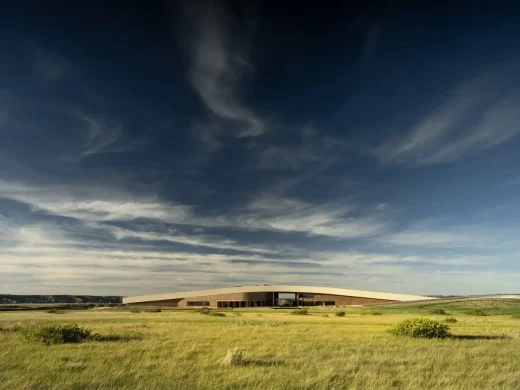
“Do what you can, with what you have, where you are – building in the challenging Badlands locale requires strategy and resourcefulness,” says Snøhetta’s Project Director Matt McMahon. “The project elevates local materials and relies upon North Dakota know-how to craft a building and landscape made from the Badlands.” The material palette is rooted in place: mass timber, reclaimed regional wood, low-carbon concrete, and rammed-earth walls constructed from locally sourced soil whose natural striations echo the surrounding geology. Local fabricators partnered with national experts to deliver novel assemblies, presidential scale, and ambitious timeline. Material selections eliminate harmful Red List chemicals and are detailed for disassembly, welcoming aging and hands-on use over time.
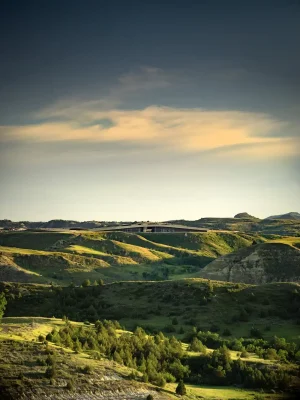
“The landscape is not the setting for this project, it is its primary teacher. Through restoration, access, and immersion, we sought to create opportunities for visitors to experience the ecological processes, seasonal changes, and living systems that continue to shape the Badlands. Our goal was to frame a landscape that invites exploration and discovery while demonstrating that stewardship is not a fixed goal, but an ongoing practice. As visitors move through restored prairie, encounter native species, and witness the rhythms of land management, they become participants in an evolving ecosystem. In this way, the landscape becomes something to engage with, care for, and learn from.” said Michelle Delk, Partner and Landscape Discipline Director, Snøhetta.
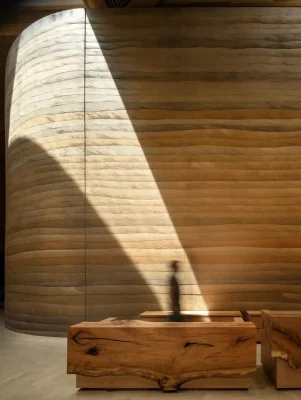
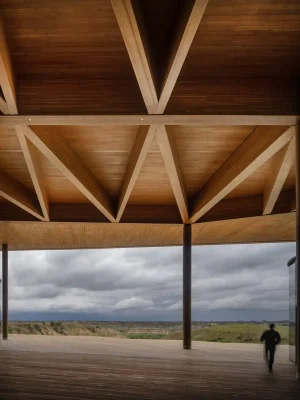
Conservation drives every decision. The Library targets the Living Building Challenge’s full Living Certification alongside the highest levels of LEED and SITES, guided by a “Four Zeros” framework: zero energy, zero water, zero emissions, and zero waste, in addition to full ecological restoration across the 93-acre site. “To honor the Badlands and Roosevelt’s legacy, we sought boldness in balance with nature, and a vision beyond 100 years—just as he would have,” said Aaron Dorf, Director at Snøhetta, who led sustainability and building design. “Following TR’s call for ‘honesty and efficiency,’ we created a library that works with the land, draws on local wisdom, and will sustain itself for generations to come.”
Upon certification, TRPL will be the only Living Certified presidential library and will be the largest and most complex Living Certified cultural institution in the world. Further, it will be the most remote and least densely populated location ever to pursue Full LBC certification at this scale. The Native Plant Project, developed with Resource Environmental Solutions and North Dakota State University, has cultivated more than 200 native species across the living roof and restored site, connecting to 3,000 acres of National Grasslands nearby. Annual land management practices including grazing, haying, and controlled burns are integrated into public programming, inviting visitors to become active participants in the life of the land.
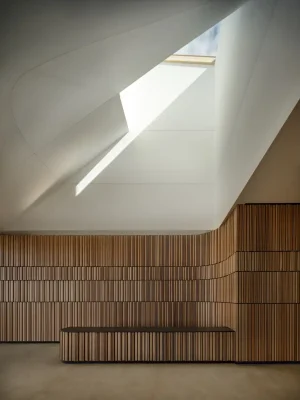
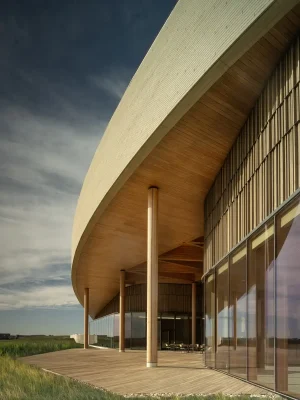
Photography: Sarah Berman
Snøhetta selected as winner of the Theodore Roosevelt Presidential Library Competition
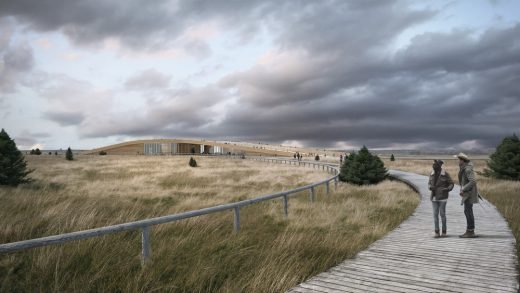
Theodore Roosevelt Presidential Library
Following an extensive selection process, Snøhetta has been unanimously selected as Design Architect for the Theodore Roosevelt Presidential Library. Based in the North Dakota Badlands, the 15th American Presidential Library will share T.R.’s legacy with future generations.
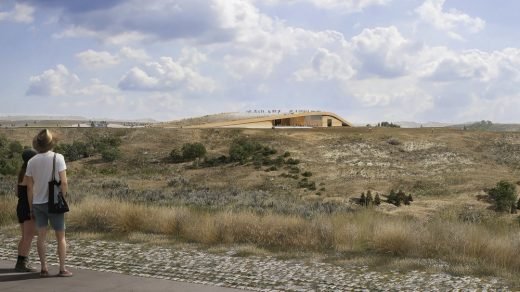
Shortlisted from an original pool of 40 applicants, Snohetta competed against Studio Gang and Henning Larsen in a design competition amidst a global pandemic for the final selection. The three teams traveled to Medora over the summer to survey the site and to meet with the local community, stakeholders, and residents. As the selected design architect, Snøhetta will work with a local, North Dakota-based architect to deliver the final project.
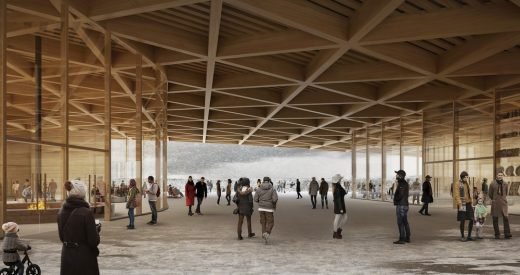
Snøhetta’s design for the Theodore Roosevelt Presidential Library is informed by the President’s personal reflections on the landscape, his commitment to environmental stewardship, and the periods of quiet introspection and civic engagement that marked his life. The design of the Library is more than a building; it is a journey through a preserved landscape of diverse habitats, punctuated with small pavilions providing spaces for reflection and activity.
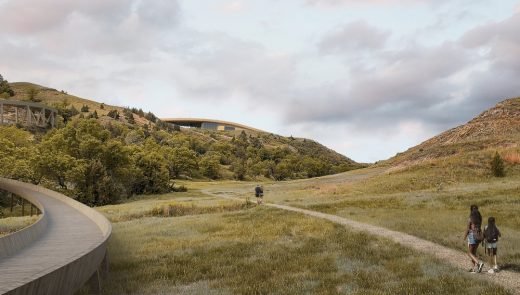
The library’s gently sloping roof looks to the northeast, gazing over the National Park, historical settings in the Little Missouri River valley, and the Elkhorn Ranch far in the distance, further connecting the Library of tomorrow with its origins in the past.
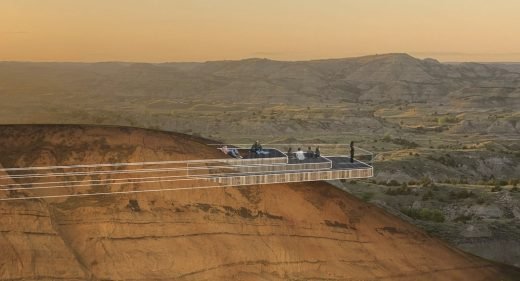
“When designing a new project, we think about how we can more give to the site or community more than is initially asked of us,” said Craig Dykers. “We integrated the Theodore Roosevelt Presidential Library into the landscape of the North Dakota Badlands. We still have much to learn about President Roosevelt, and we’re looking forward to working with the Medora community and the broader project team to translate this knowledge into an immersive place to learn about T.R.’s life and legacy.”
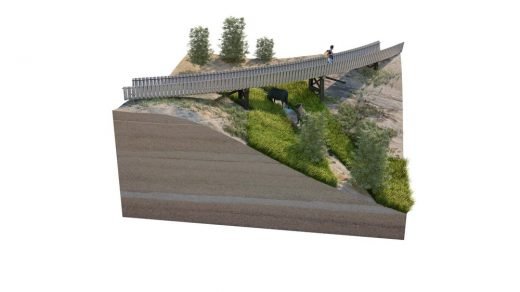
“One of Theodore Roosevelt’s most enduring legacies is conservation and our national parks,” said Theodore Roosevelt V, a great-great-grandson and namesake of the 26th president. “This will be the only presidential library alongside a national park and the only national park alongside a presidential library. It will invite visitors to see and experience the very cradle of conservation. That is why this location in North Dakota is perfect for the Theodore Roosevelt Presidential Library.”
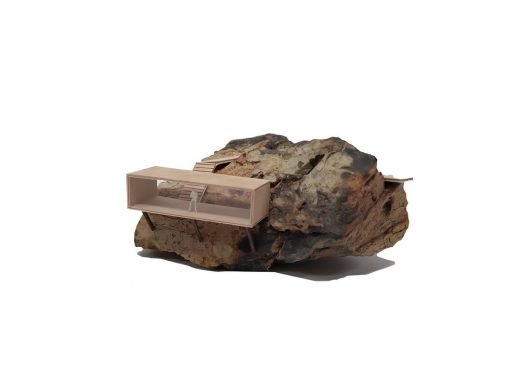
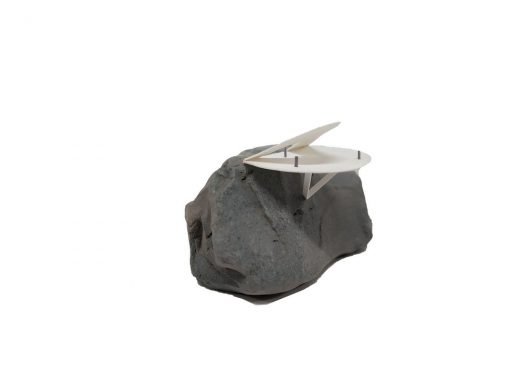
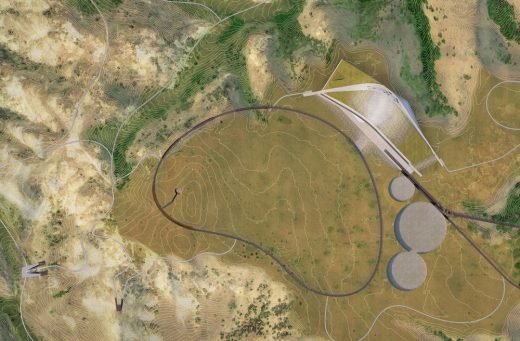
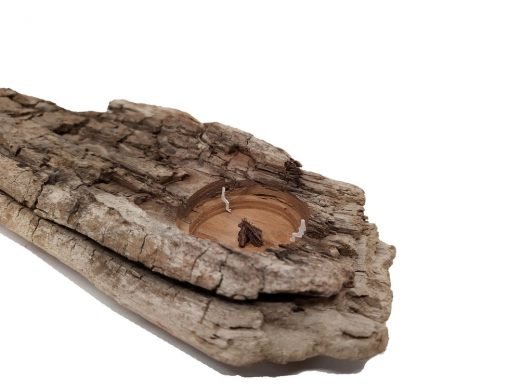
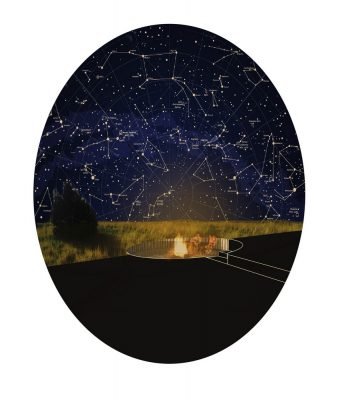
The building’s location at the northeast edge of the butte preserves the landscape for conservation research while offering a setting for educational walks, leisure, and recreation. As visitors set out on the Library loop, they will encounter adventurous paths which connect to the nearby Maah Daah Hey Trail as well as several small pavilions. Ranging from contemplative nooks to expansive vistas, these pavilions invite visitors to experience Roosevelt’s trials and triumphs in dialogue with the landscapes that shaped him. The Library is understood to be the buildings, pavilions,
paths and landscape.
The design functions in harmony with the unique ecology of the region and expresses the conservation ethos for which Roosevelt is remembered. Its construction will use locally sourced and renewable materials, while its sophisticated energy systems will set a new standard for sustainable design in the region. The design also mitigates the impact of wind and other climatic factors so that the Library will be accessible in all seasons.
About The Theodore Roosevelt Presidential Library Foundation
The Theodore Roosevelt Presidential Library Foundation is a non-profit organization that is planning, building, and overseeing operations of the Theodore Roosevelt Presidential Library. Through the principles of Conservation, Leadership, and Citizenship, the Foundation aims to build an architecturally significant destination at the fulcrum of T.R.’s heroic journey: the Badlands of North Dakota. The Foundation hopes to create a museum of the future for one of the most iconic American figures in our collective memory–to create a legacy for today to create a new tomorrow.
Snøhetta, Oslo, Norway
Theodore Roosevelt Presidential Library, North Dakota images / information received 190920
Architecture: Snøhetta
Location: Helena, Montana, USA
Montana Buildings
Contemporary Architecture in Montana
Montana Buildings
Confluence House, Whitefish, Rocky Mountains, northwest Montana
Architects: CTA | Cushing Terrell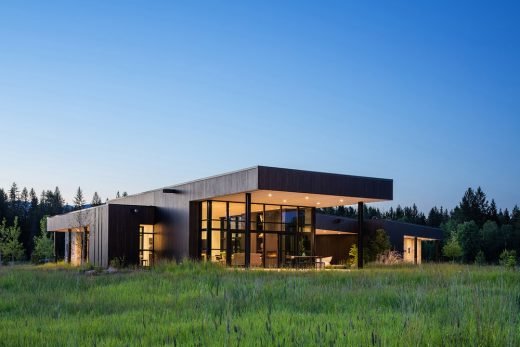
photograph : Karl Neumann
Confluence House, Whitefish
Cookhouse, Whitefish, Rocky Mountains, northwest Montana
Design: Fernau and Hartman Architects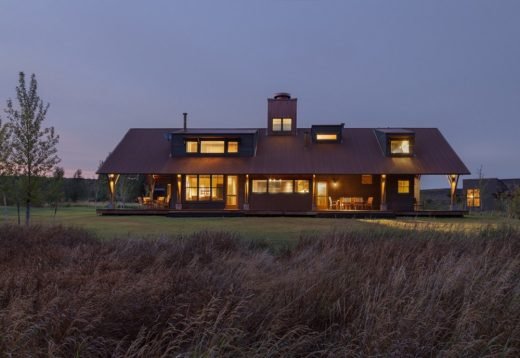
photograph : Richard Barnes
Cookhouse in Park County, Montana
Design: Hughesumbanhowar Architects
photograph : Gibeon Photography
Big Timber Riverside House in Montana
, Big Sky
Design: Balance Associates Architects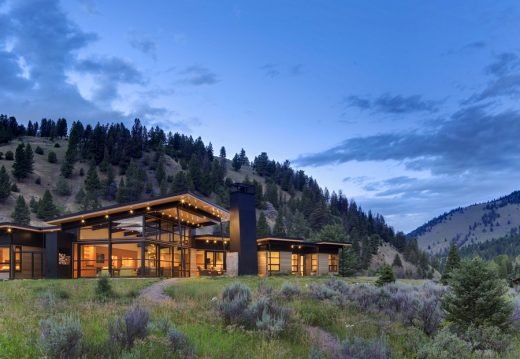
photo : Steve Keating Photography
River Bank House
, Helena
Architects: Cushing Terrell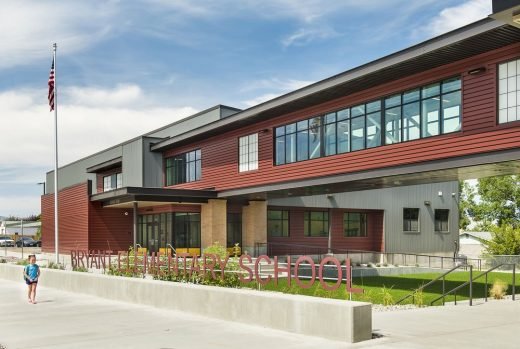
photograph : Heidi A. Long
Bryant Elementary School in Helena, Montana
, Big Sky
Architects: Stuart Silk Architects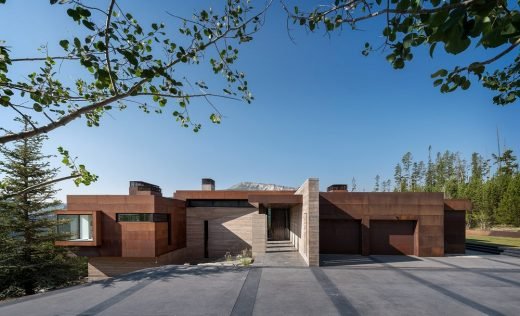
photo © Aaron Leitz
Yellowstone Residence in Big Sky, Montana
USA Building Designs
Contemporary Architecture in USA
American Architect
American Houses
Contemporary Houses
American Architecture
Minnesota Architecture
Snohetta architects
Comments / photos for the Theodore Roosevelt Presidential Library, North Dakota Badlands building design by Snøhetta architects, Oslo, Norway, page welcome.